Showing posts with label health. Show all posts

Friday, November 25, 2011

7 "FATTY" Foods that Can Help You to Get a Flat Stomach

These 7 shocking Fatty (but healthy) super-foods can actually help you to burn body fat faster!

Here are 7 examples of "fatty" foods that can actually HELP you to get lean...
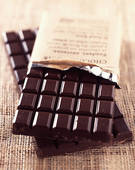
healthy chocolate1. Super Dark Chocolate (at least 72% cacao content or higher) - It might not be a secret anymore, but yes, dark chocolate (NOT milk chocolate) can be a very healthy food, even though it is technically calorie dense. 

However, I would contend that dark chocolate can actually HELP you to burn off more body fat if you're the type of person that has a sweet tooth and likes to eat a lot of desserts. In this case, just 1 or 2 small squares of dark chocolate can many times satisfy your sweet tooth for only 30 or 40 calories as opposed to 500 calories for a piece of chocolate cake or a piece of pie. 

Also some brands of dark chocolate that are in the mid 70's in % cacao content or higher, can have a fairly high ratio of fiber content (I've seen some brands have 5 grams of fiber out of 15 grams of total carbs per serving), and relatively low sugar content compared to the amount of healthy fats. In fact, that's one of the "tricks" I use to select a good quality chocolate... I look for more total fat than total carbs (or about the same number of grams of each).

The importance of that fact is that it means many dark chocolates will not greatly affect your blood sugar and will have a fairly blunted blood sugar response compared to other "sweets".

In addition, dark chocolate is also very rich in healthful antioxidants, including a powerful compound called theobrominewhich has been shown to help lower blood pressure and have other health benefits. The fat content in a good dark chocolate should come solely from the natural healthy fats occuring in cocoa butter and not from any other added fats. Any chocolates with added fats or other additives will generally not be as healthy.

The reason I say to choose dark chocolates with at least 72% cacao content is that the higher the % of cacao, the lower the % of sugar. However, this does mean that any chocolate over 80% cacao content will generally start to get a more bitter taste and have very little sweetness. If you like this type of taste, then the higher % cocao, the better. Otherwise, a good 75% dark chocolate is in my opinion an almost perfect combination of lightly sweet with a rich chocolate taste. Just remember to keep those daily quantities of chocolate small as it is calorie dense!

You can also reap the benefits of the antioxidants and fiber without all of the calories by using organic unsweetened cocoa powder in your smoothies or other recipes.
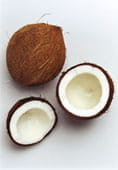
2. Coconut milk, coconut flour, and coconut oil -- Coconut milk and oil are great sources of a super healthy type of saturated fat called medium chain triglycerides (MCTs), including a component called lauric acid, which is a powerful nutrient for your immune system, and is lacking in most western diets. In addition, MCTs are readily used for energy by the body and less likely to be stored as bodyfat compared to other types of fats.

Along with coconut milk and coconut oil as healthy fat choices, we've also got coconut flour as a healthier flour option for baking. Coconut flour is an extremely high fiber flour alternative (almost ALL of the carbs in this flour are fiber and not starch!). Coconut flour is also VERY high in protein compared to most flours and is also gluten free! 

Just beware that if you're going to use coconut flour for baking, it absolutely NEEDS to be mixed with other flours as it sucks up moisture like crazy... I've made delicious baked goods by mixing coconut flour with almond flour and quinoa flour in equal parts, and adding slightly more liquid ingredients than the recipe calls for.
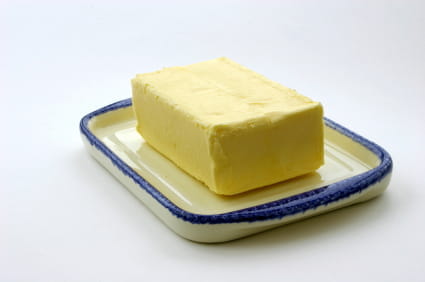
3. Grass-fed (pasture-raised) butter -- yes, delicious smooth and rich BUTTER (real butter, not deadly margarine!)... It's delicious, contains loads of healthy nutritional factors, and does NOT have to be avoided in order to get lean. In fact, I eat a couple pats of grass-fed butter daily and maintain single digit bodyfat most times of the year.

There's a lot of confusion about this topic... in fact, I just saw a TV show today that was talking about unhealthy foods and one of the first things they showed was butter. It just shows that the majority of the population has zero idea that butter (grass-fed only!) can actually be a healthy part of your diet.

In fact, there's even ample evidence that REAL butter can even help you to lose body fat for a couple of main reasons:

a. Grass-fed butter is known to have high levels of a healthy fat called CLA, which has been shown to have anti-cancer properties, and also has been shown to help burn abdominal fat and build lean muscle.

b. Grass-fed butter also has an ideal balance of omega-3 to omega-6 fatty acids (unlike conventional grain-fed butter) which helps fight inflammation in your body, and can help balance hormones.

c. The healthy fats in grass-fed butter also contain MCTs, which help to boost your immune system and are readily burned by the body for energy. The healthy fats in grass-fed butter also help to satisfy your appetite and control blood sugar levels, both of which help you to stay lean!

4. Whole Eggs, including the yolk (not just egg whites) -- Most people know that eggs are one of the highest quality sources of protein. However, most people don't know that the egg yolks are the healthiest part of the egg... that's where almost all of the vitamins, minerals, and antioxidants (such as lutein) are found in eggs.

In fact, the egg yolks contain more than 90% of the calcium, iron, phosphorus, zinc, thiamin, B6, folate, and B12, and panthothenic acid of the egg. In addition, the yolks contain ALL of the fat soluble vitamins A, D, E, and K in the egg, as well as ALL of the essential fatty acids. Also, the protein of whole eggs is more bio-available than egg whites alone due to a more balanced amino acid profile that the yolks help to build.

Just make sure to choose free-range organic eggs instead of normal grocery store eggs. Similar to the grass-fed beef scenerio, the nutrient content of the eggs and the balance between healthy omega-3 fatty acids and inflammatory omega-6 fatty acids (in excess) is controlled by the diet of the hens. 

Chickens that are allowed to roam free outside and eat a more natural diet will give you healthier, more nutrient-rich eggs with a healthier fat balance compared with your typical grocery store eggs (that came from chickens fed nothing but soy and corn and crowded inside "egg factories" all day long). 
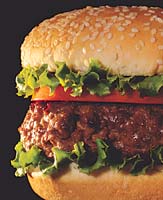
5. Grass-fed beef or bison (NOT the typical grocery store beef!) -- I know most people think that red meat is unhealthy for you, but that's because they do not understand how the health of the animal affects how healthy the meat is for consumption. Keep this in mind -- "an unhealthy animal provides unhealthy meat, but a healthy animal provides healthy meat".

Typical beef or bison that you see at the grocery store is raised on grains, mainly corn (and to some extent, soybeans). Soy and corn are NOT the natural diet of cattle or bison, and therefore changes the chemical balance of fats and other nutrients in the beef or bison. Grain-fed beef and bison is typically WAY too high in omega-6 fats and WAY too low in omega-3 fats. In addition, the practice of feeding cattle corn and soy as the main portion of their diet upsets their digestive system and makes them sick... and it also increases the amount of dangerous e-coli in the meat. This is not the case with grass-fed meat.
On the other hand, grass-fed beef from cattle and buffalo (or bison) that were raised on the type of natural foods that they were meant to eat in nature (grass and other forage), have much higher levels of healthy omega-3 fats and lower levels of inflammatory omega-6 fats (that most people already eat way too much of) compared to grain fed beef or bison. 

Grass fed meats also typically contain up to 3 times the Vitamin E as in grain fed meats.

In addition, grass-fed meat from healthy cattle or bison also contain a special healthy fat called conjugated linoleic acid (CLA) in MUCH higher levels than grain-fed meat. CLA has been proven in scientific studies in recent years to help in burning fat and building lean muscle (which can help you lose weight!). These benefits are on top of the fact that grass-fed meats are some of the highest quality proteins that you can possibly eat... and this also aids in burning fat and building lean muscle.
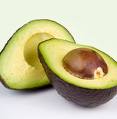
6. Avocados -- Even though avocados are typically thought of as a "fatty food", they are chock full of healthy fats! Not only is this fruit (yes, surprisingly, avocados are actually a fruit) super-high in monounsaturated fat, but also chock full of vitamins, minerals, micro-nutrients, and antioxidants. 

Also, in my opinion, guacamole (mashed avocados with garlic, onion, tomato, pepper, etc) is one of the most delicious food toppings ever created, and you can be happy to know that it's also one of the healthiest toppings you can use on your foods. Try sliced avocados or guacamole on sandwiches, burgers, eggs or omelets, on salads or with fish, or as a delicious side to just about any meal.

The quality dose of healthy fats, fiber, and micronutrients that you get from avocados helps your body to maintain proper levels of hormones that help with fat loss and muscle building. Also, since avocados are an extremely satiating food, eating them helps to reduce your appetite in the hours after your meal. Say goodbye to junk food cravings and bring on that fat burning! I personally eat anywhere from a half to a full avocado DAILY and it only helps to keep me lean.
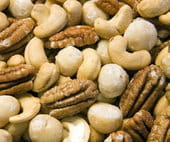

7. Nuts: Walnuts, Almonds, Pistachios, Pecans, Brazil Nuts, Macadamias, etc -- Yes, this is yet another "fatty food" that can actually help you burn belly fat. Although nuts are generally between 75-90% fat in terms of a ratio of fat calories to total calories, this is another type of food that is all healthy fats, along with high levels of micronutrients such as vitamins, minerals, and antioxidants. Nuts are also a good source of fiber and protein, which of course, you know helps to control blood sugar and can aid in fat loss.

Nuts also help to maintain good levels of fat burning hormones in your body (adequate healthy fat intake is vitally important to hormone balance) as well as helping to control appetite and cravings so that you essentially eat less calories overall, even though you're consuming a high-fat food. My favorite healthy nuts are pecans,pistachios, almonds, macadamias, and walnuts, and by eating them in variety, you help to broaden the types of vitamins and minerals and also the balance of polyunsaturated to monounsaturated fats you obtain.

Try to find raw nuts instead of roasted nuts if you can, as it helps to maintain the quality and nutritional content of the healthy fats that you will eat.

Also, try to broaden your horizons beyond the typical peanut butter that most people eat, and try almond butter, cashew butter, pecan butter, or macadamia butter to add variety to your diet.

One of the little "tricks" that I've used with clients when trying to cut down body fat is to have them eat a handful of nuts such as almonds or pecans about 20 minutes before lunch and dinner. This ends up being a perfect time to control your appetite before lunch or dinner and helps you to eat less overall calories on that meal.

I hope you enjoyed this look at some of the healthiest "fatty" fat-burning foods you can possibly eat. I could list a ton more, but wanted to give you a few of my favorites for now. Enjoy!

Wednesday, November 23, 2011

Fun Run

A fun run is a friendly race that involves either road running or cross country running with participants taking part for their own enjoyment rather than competition. A fun run will usually be held to raise funds for a charity, with sponsors providing the revenue to cover organisational costs. Fun runs can include novelty categories, such as wearing costumes, and age categories for child, teen, and mature. Fun runs can also be included as a side event to a marathon or other more serious races..

I joined fun run once and I enjoyed it a lot I already helped a charity at the same time it's a good exercise, I ran  8k and I thought i couldn't make it to the finish line but in God's help I did it.. Somehow it's tiring but if you try to think  the benefits that you will get, all of it will disappear once you finish the race. 

Fun run is for everyone from serious runners to recreational walkers, families and pets. Some were super-fit, some were still working on their fitness, and some preferred to skip the exercise opportunity and just enjoy the run. Everyone is having a good time when joining fun run they meet different people and mingle with them and it creates a bonding moment for the family... 


JOIN FUN RUN NOW.....

Monday, November 21, 2011

Holiday Weight Gain


Holiday weight gain can often derail even the most successful diets. With so many delicious treats at your disposal and the stress of the hectic holiday season keeping you from your exercise routine—not to mention possibly making you more likely to turn to sugary pick-me-ups—you may find it difficult to avoid gaining weight during the holiday season. Nevertheless, keep these suggestions in mind and you can stick to your healthier lifestyle.


1. Make Time to Exercise

Perhaps easier said than done, but essential to your plan to fend off holiday weight gain, is making time to exercise. If you have to break out a day planner and schedule in the time to work out at least three to five days a week, you should. If the snow or extra traffic or planning for holiday events keeps you from leaving home, add a few at-home workouts to your routine, with exercise equipment, videos and even fitness video games.
                                                                                   
2. Don't Exercise Alone
While not everyone in your family or circle of friends may be on a diet, the fact is that everyone needs to get some exercise into their routines in order to stay fit. Ask your family members to join you when you work out at home. Ask a friend to meet you at least once a week for a walk around the neighborhood, a dance class or a session at the gym. When you're not alone, you'll have fewer excuses to avoid exercising during the busy holiday season.
3. Keep Portions Small

Holiday weight gain can be avoided the same way weight gain can be avoided throughout the year: concentrate on portions. If you're allowed to indulge in sugary desserts on your current diet, allow yourself one small sugary treat per day at a maximum—once a week would be even better if you have a hard time maintaining a healthy weight. Stick to it. Ask friends and family to keep the sugary sweets away from you and hand you your daily or weekly sweet treat if you can't exercise self-control.

4. Keep Healthy Snacks with You at All Times

If you feel full, you're less likely to indulge in sweet treats. If you have a healthy snack on hand, you can at least remind yourself that you should eat a healthy snack instead of sweet desserts if you hope to avoid holiday weight gain. Every morning, take the time to pack a few healthy snacks for yourself to last the day. Veggies, fruit, nuts, hummus and crackers, cottage cheese, yogurt and whatever other healthy snacks are appropriate for your diet make excellent choices. That way if someone brings sweet treats to your workplace or you're at a holiday party, you can reach for your healthy snack.

5. Bake Healthier Desserts

If you want to indulge in the sweet holiday spirit along with everyone else but you want to avoid holiday weight gain, make a few sweet desserts of your own. Seek out recipes with small amounts of sugar (or none at all) and desserts that are low in calories, fat and/or carbs. You can even make healthier treats out of ingredients like veggies, cottage cheese, fruits and nuts.

Thursday, November 17, 2011

The Ten Health Benefits of Eating Apple


Bone Protection
French researchers found that a flavanoid called phloridzin that is found only in apples may protect post-menopausal women from osteoporosis and may also increase bone density. Boron, another ingredient in apples, also strengthens bones.

Asthma Help
One recent study shows that children with asthma who drank apple juice on a daily basis suffered from less wheezing than children who drank apple juice only once per month. Another study showed that children born to women who eat a lot of apples during pregnancy have lower rates of asthma than children whose mothers ate few apples.

Alzheimer's Prevention
A study on mice at Cornell University found that the quercetin in apples may protect brain cells from the kind of free radical damage that may lead to Alzheimer's disease.

Lower Cholesterol
The pectin in apples lowers LDL ("bad") cholesterol. People who eat two apples per day may lower their cholesterol by as much as 16 percent.

Lung Cancer Prevention
According to a study of 10,000 people, those who ate the most apples had a 50 percent lower risk of developing lung cancer. Researchers believe this is due to the high levels of the flavonoids quercetin and naringin in apples.

Breast Cancer Prevention
A Cornell University study found that rats who ate one apple per day reduced their risk of breast cancer by 17 percent. Rats fed three apples per day reduced their risk by 39 percent and those fed six apples per day reduced their risk by 44 percent.

Colon Cancer Prevention 
One study found that rats fed an extract from apple skins had a 43 percent lower risk of colon cancer. Other research shows that the pectin in apples reduces the risk of colon cancer and helps maintain a healthy digestive tract.
Liver Cancer Prevention
Research found that rats fed an extract from apple skins had a 57 percent lower risk of liver cancer.

Diabetes Management
The pectin in apples supplies galacturonic acid to the body which lowers the body's need for insulin and may help in the management of diabetes.

Weight Loss
A Brazilian study found that women who ate three apples or pears per day lost more weight while dieting than women who did not eat fruit while dieting.

Cardio and Weightlifting a Good Exercise


Maintaining a regular exercise schedule will help you stay in shape as well -- especially challenging cardio activities like running. A 185-lb. person, for example, can burn more than 1,000 calories by running for one hour at eight minutes per mile. Even if you can't keep up that pace, you can still burn substantial calories through cardio, which helps maintain -- and sometimes decreases -- your weight. When you don't have time to work out, you can sneak in small bouts of exercise here and there by parking in the back of the mall parking lot or taking the stairs rather than the elevator.

Weightlifting isn't just for muscle-bound gym rats or college kids. Regardless of your strength, there's lifting you can do to tone your muscles. A toned body tends to look younger and healthier than one lacking muscle, and building muscle speeds your metabolism, which in turn fights weight gain. If you have no idea where to start, ask a fitness trainer for a free consultation. If you don't want to pay for a gym membership or buy expensive equipment, home exercises like push-ups and sit-ups will contribute to your cause.


Diet


Weight control is the most common challenge after high school. When you see classmates for the first time since graduation, your first reaction is often to marvel quietly at how much weight they've put on. And undoubtedly, you'd prefer not to prompt similar observations from others. Stay trim by limiting yourself to 2,000 calories daily on average. Avoid regularly eating fast food and junk food, which can make you overweight and age your overall appearance. Drink plenty of water to keep your skin clear.

Proper diet helps you maintain your sexy body, find time to exercise or atleast jog once in a while every morning perhaps..

Be sure to stay focused on that old saying that "you are what you eat" find a food plan that works for you...in time it will become a way of life for you...you'll learn to love the self-control and improvements that you have made.

Friday, November 4, 2011

Choosing the Weight Loss Plan that Will Work Best for Your Specific Need

Losing weight may seem like the biggest obstacle that you have ever faced. The simple truth is that if you are not ready to lose weight then you simply will not lose weight. In order for any weight loss plan to work you must be ready to make that important change in your lifestyle. If you are ready and are simply searching for the right plan, then you should understand that all weight loss plans are certainly not alike.

Just because one plan works for someone does not mean that the same plan will work as well for you. When searching for a weight loss plan you must find a plan that will meet your specific needs. Of course, it is important that you speak with your doctor before you begin any diet or exercise program. 


It is recommended that you choose a weight loss program that promotes healthier eating and regular exercise. Simply put, you must eat a variety of healthy foods and exercise at least three times each week if you plan to lose weight and keep that weight off. The best weight loss methods today are those that promote making healthy lifestyle changes. Discuss your weight loss goals with your physician. This is important particularly for those who take regular medications. You need to know if any medications that you may be taking will impair your weight loss abilities. You should also have your physician perform a physical examination to determine that you are healthy enough to start a new exercise regimen. 


Once again, a weight loss plan that promotes eating healthy, drinking plenty of water and exercise regularly is the best choice. Some programs on the market today will help you to lose several pounds fairly quickly by starving yourself but you should understand that once you go back to eating regularly you will gain that weight back. It is important that you select a program that encourages you to begin eating a healthier diet that is rich in nutrients, fiber, vitamins and minerals. Be sure that the plan you choose consists of all of the major food groups. Your diet should be a balanced one. Any diet that restricts one or more food groups will probably help you to lose weight but again, once you begin eating regularly again you will gain that weight back. The problem with these plans is that they do not teach you what you need to know to maintain your new weight. Choosing a weight loss program that promotes healthy eating from all of the food groups will teach you how to lose weight as well as how to maintain your weight once you reach your goal.

There are many weight loss programs available today. Some are free and some may cost up to several hundred dollars each month. Your budget may actually have an impact on which diet program is best for you. If you are looking to lose weight without paying for specialty foods and other products then choose a diet plan that you can access online without a fee. You may also want to check in your local area for weight loss support groups that may meet during the week. Having someone to share your journey will help you to be more successful in your weight loss attempt. If you are concerned about your budget then choose a weight loss program that allows you to eat everyday foods such as those that you can purchase at the grocery stores as opposed to purchasing meal plans or premade food choices. When choosing the right weight loss program it is important that you select one that fits both your specific weight loss goals as well as your budget. 


How Much Exercise Do I Really Need?


Most healthy people should aim for at least 30 minutes, five times a week, of moderately intense activity such as brisk walking, plus 10 to 15 minutes or so of strength-training (digging in your garden counts) 2 or 3 days a week. This is enough exercise to help you lower your risk for health conditions like high blood pressure, stroke, coronary artery disease, type 2 diabetes, colon cancer, and osteoporosis, and to prevent the natural loss of muscle mass that slows metabolism and contributes to weight gain in your thirties, forties, fifties, and beyond.
If you’re trying to lose weight, more activity is better. An hour or even 90 minutes of moderate exercise, or 1/2 hour of vigorous activity such as jogging, strenuous aerobics, or fast-paced cycling, is ideal. Of course, anything you do is better than nothing, and consistency counts. Fitting in 30 minutes most days of the week, even in 10-minute bursts, is better than playing the weekend warrior by overdoing it once or twice a week.
If you’re the type that just doesn’t enjoy going to the gym or using a treadmill, choose an activity you enjoy that you can do for 10 to 30 minutes or longer and that raises your heart rate. This could be dancing, playing tennis, chopping enough wood to heat your house for the winter, or lining up strenuous yard work or housework that feels like a workout.
Related Posts Plugin for WordPress, Blogger...